Orange County Wedding Photographer: Serving Newport Beach, Laguna Beach, and Beyond
June 7, 2026
Micro Wedding vs Elopement: What Is the Difference and Which Is Right for You?
June 7, 2026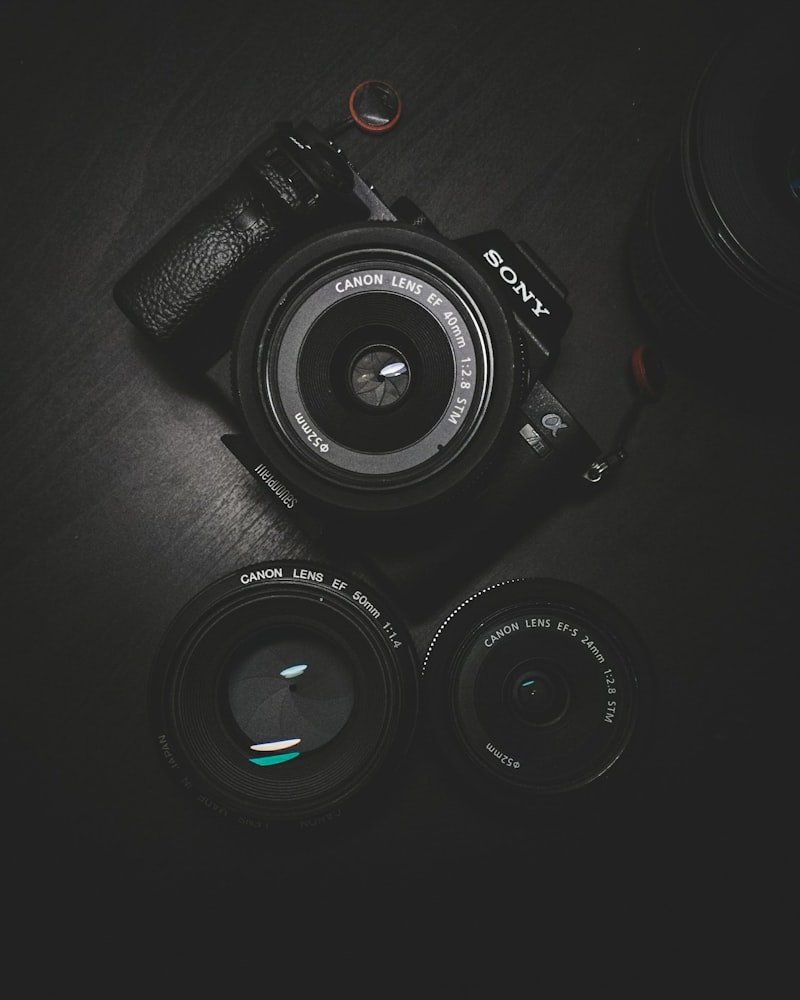
In an era of perfect digital images, something surprising is happening: couples are actively seeking out wedding photographers who shoot on 35mm film. Here is why analog is back, what makes film images different, and what it means for your wedding photography budget.
A quick note: Alphares Studio does not shoot literal analog film — we deliver a digital aesthetic that naturally incorporates the film look. If you are specifically searching for a photographer who shoots actual 35mm, keep that distinction in mind as you read on; the rest of this guide explains why the look works either way.
What Is Film Wedding Photography?
Film wedding photography means shooting on actual 35mm or medium format photographic film — Kodak Portra, Fujifilm 400H, Ilford HP5 — rather than a digital sensor. The film is developed and scanned, producing images with a distinct look that digital editing can approximate but never fully replicate.
Why Film Looks Different (and Why Couples Love It)
- Grain: Organic film grain creates a texture that feels human and warm, unlike digital noise which looks harsh
- Color science: Film stock has its own color response — skin tones on Kodak Portra are famously beautiful, rendering warmth and subtlety that digital sensors struggle to match
- Highlight rolloff: Film handles overexposed highlights gracefully — blown highlights on film retain detail and glow softly. Digital sensors clip and lose that information.
- Timelessness: A film image from 2026 is visually indistinguishable from 1996. There is no trend, no filter, no look that dates it.
The Practical Realities of Film Weddings
Film is beautiful but has constraints:
- Cost: Film stock, development, and scanning adds a meaningful cost premium depending on volume
- Turnaround: Film must be developed before editing — typical turnaround is 10–14 weeks rather than 3–5
- Volume: Film photographers typically deliver fewer images (200–400) vs. digital (500–800)
- Low light: Film is technically more challenging in dark reception venues — experienced film photographers use flash or fast stocks, but it requires expertise
Hybrid Film + Digital
Many photographers offer hybrid coverage — film for getting ready, ceremony, and portraits; digital for the reception. This captures the best of both: the timeless quality of film for the most important moments, and the flexibility of digital for low-light dancing and candids.
Alphares Studio Approach
Alphares Studio delivers cinema-grade digital photography with an aesthetic that naturally incorporates the film look — lifted blacks, desaturated palette, warm skin tone rendering, and organic grain in the color grade. The result has the emotional quality of film at the practical reliability of digital, with delivery in 3–5 weeks rather than 10–14.
Ask Alphares Studio about film-style photography options for your San Diego or Southern California wedding.
Frequently Asked Questions
Does Alphares Studio actually shoot on film?
No — Alphares Studio shoots digitally and applies a color grade that replicates the look of film (lifted blacks, warm tones, organic grain) rather than shooting on physical film stock.
How much more does real film wedding photography cost?
Film adds a meaningful premium for stock, processing, and scanning, and typically extends turnaround to 10-14 weeks instead of 3-5. Digital coverage with a film-style aesthetic avoids both the added cost and the longer wait.
Can I get a hybrid of real film and digital?
Some photographers offer this — film for getting ready, ceremony, and portraits, with digital for the reception. Ask directly whether your photographer shoots real film, digital-only, or a hybrid before booking.
Will a film-look digital gallery look different from a real film gallery?
The overall aesthetic can be very close, though real film has organic grain and highlight rolloff that digital emulation approximates rather than fully replicates.